
Pumps for carbon-free hydrogen production
21st June 2023
Sulzer wins contracts to supply 50 pumps for one of world’s largest green hydrogen projects
21st June 2023
Sulzer wins contracts to supply 50 pumps for one of world’s largest green hydrogen projects
20th June 2023
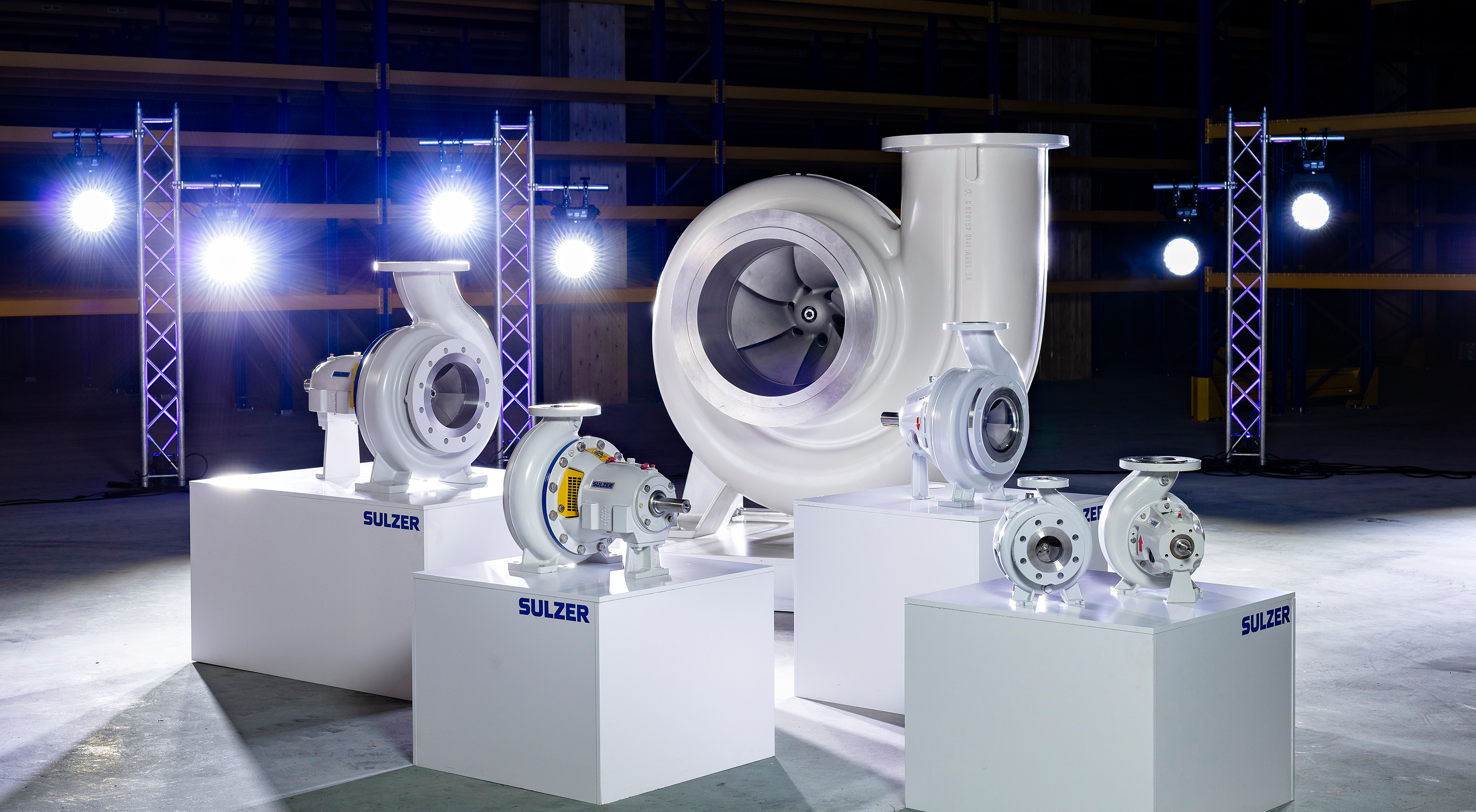
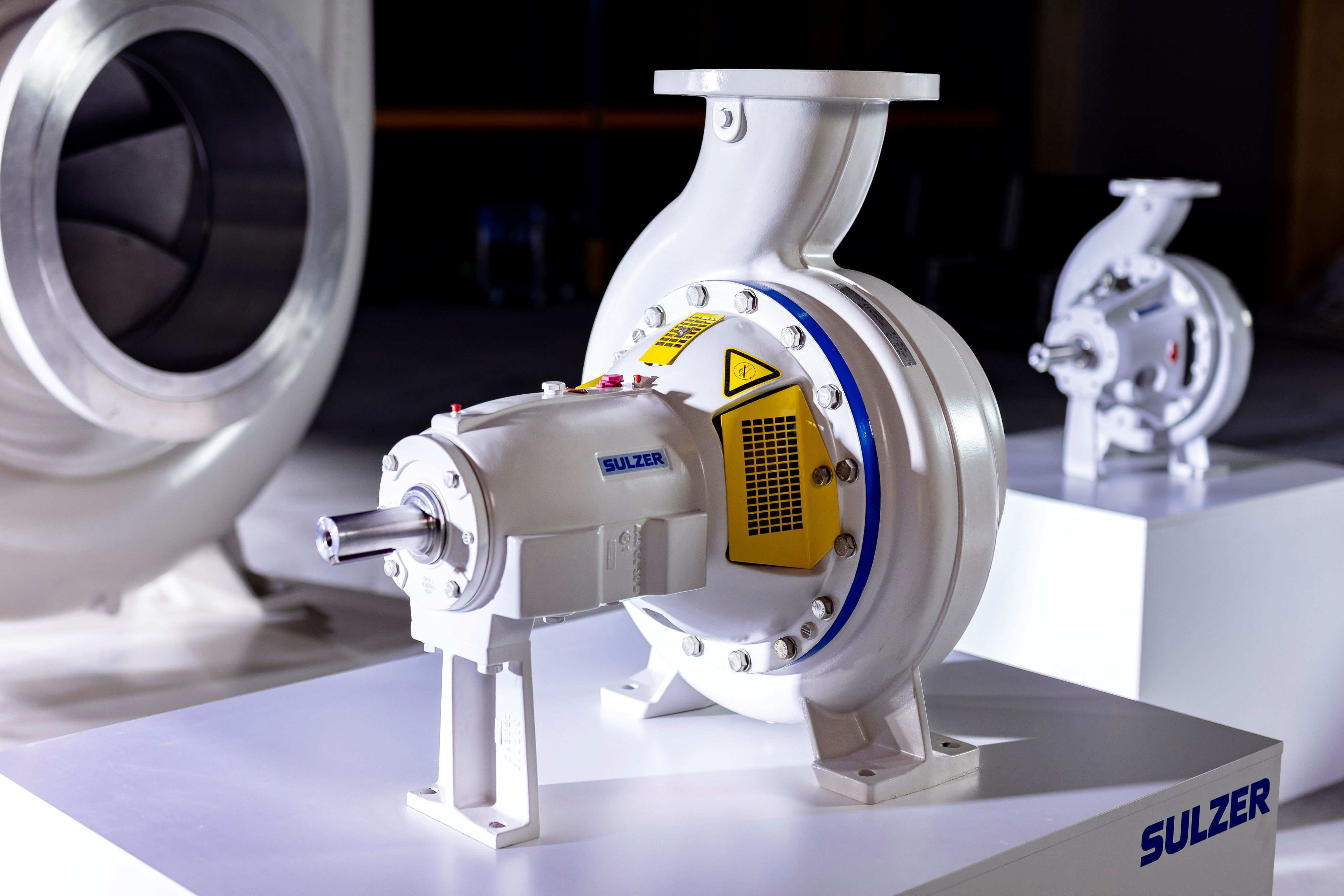
Sulzer introduces a closed impeller to the AHLSTAR A single-stage pump range. The novelty offers enhanced performance and improved efficiency.
6th June 2023
Raízen selects Sulzer for next generation biofuel productionBrazil’s largest producer of ethanol from sugarcane waste is embarking on a major wave of investment. With plans to build 20 second-generation processing facilities over the next seven years, Raízen has picked Sulzer as a key technology supplier.
1st June 2023
Innovative biorefinery gets a step closer to commercialization, thanks to Sulzer Chemtech
24th May 2023
Jindan will utilize Sulzer’s licensed PLA technology at its new manufacturing plant to produce up to 75’000 tonnes of PLA per year, mainly to be used for food packaging, molded goods and fibers production.
17th May 2023
Sulzer delivers cost saving rerate to resolve condensate pump debate
16th May 2023
Pumping systems are responsible for over 20% of the world’s electrical energy demand, and in some industrial plant operations, they can account for up to 90% of energy usage. Improving the energy efficiency of pumping and mixing systems is crucial in reducing production costs and supporting a more sustainable future.
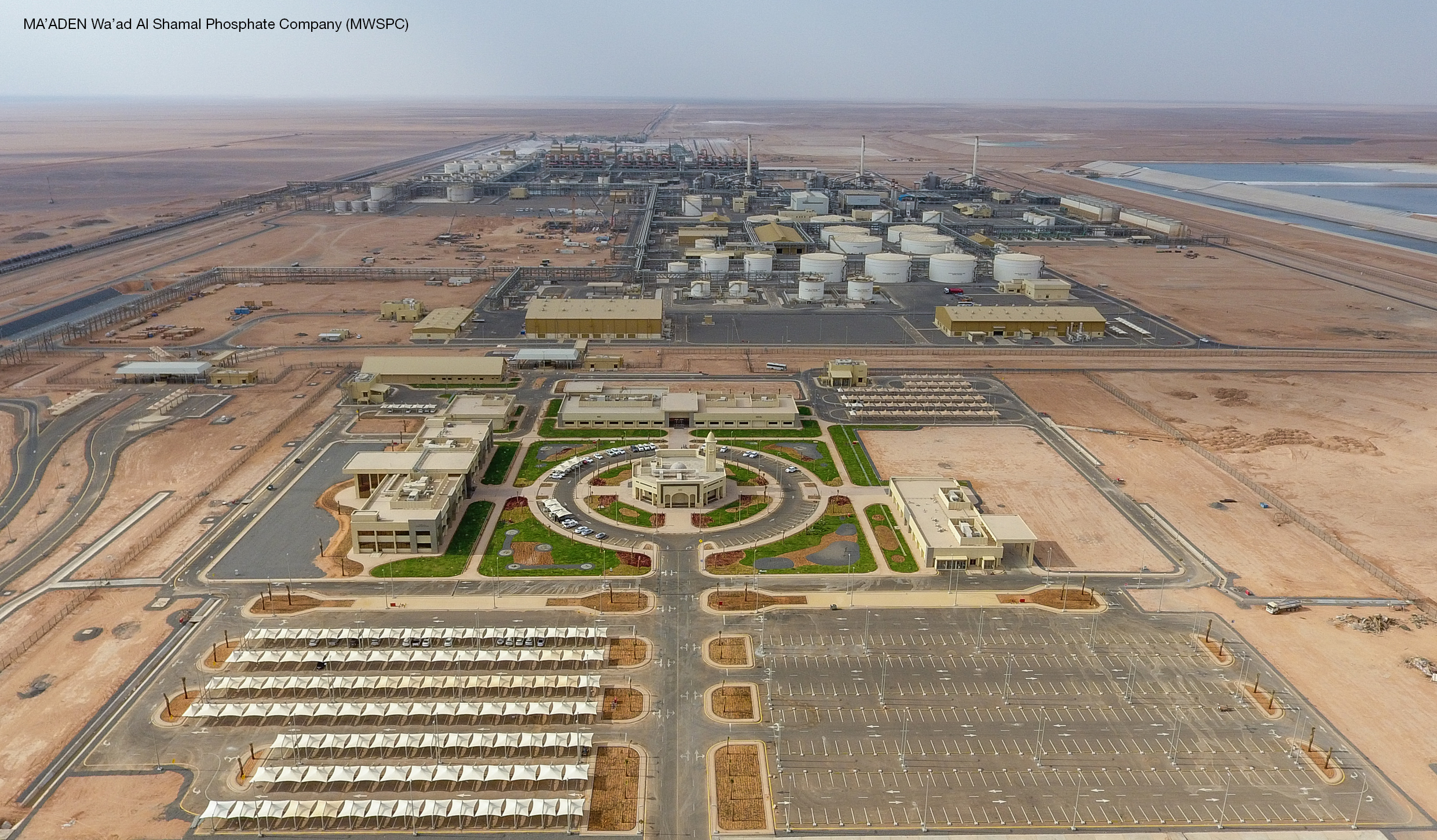
Ma’aden Wa’ad Al Shamal Phosphate Company (MWSPC) is a leading player in phosphate fertilizers. Its complex in Umm Wu’al, Kingdom of Saudi Arabia, includes a world- class phosphoric acid plant.
12th May 2023
In Canada, a major oil producer is undertaking a project to use local canola (rapeseed) oil to create renewable diesel on an industrial scale. At the heart of the plant will be a number of precision pumps from Sulzer that have been designed to handle the challenging process conditions.
3rd May 2023
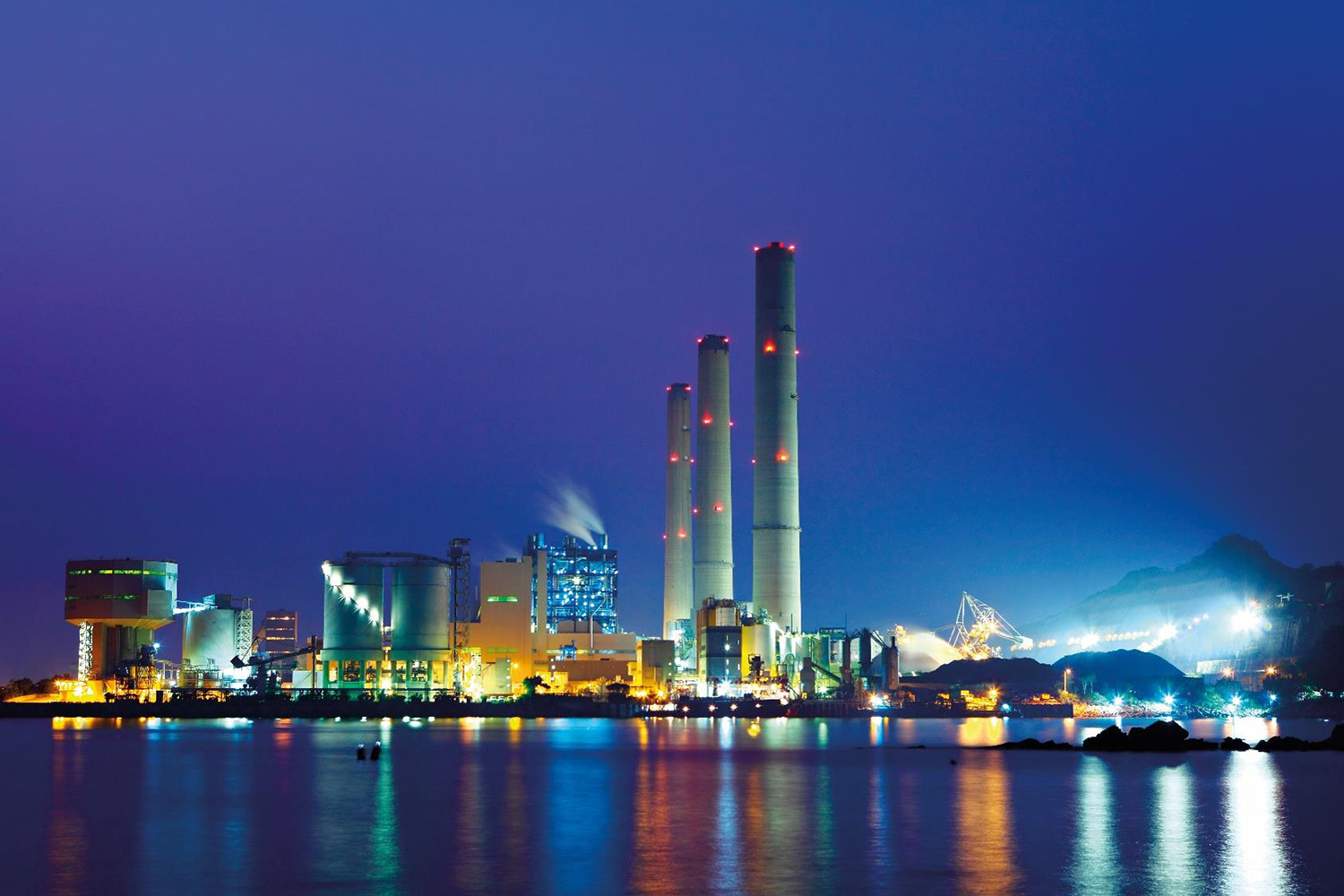
The rapid growth of renewable energy in Asia is presenting the grid with a challenge: how to flexibly accommodate changing demands with existing thermal power plants? Assets at these facilities, originally designed to provide baseload, are now being asked to cover any shortfall due to the intermittent nature of renewable energy.